

 See My Latest Article on HelloNation
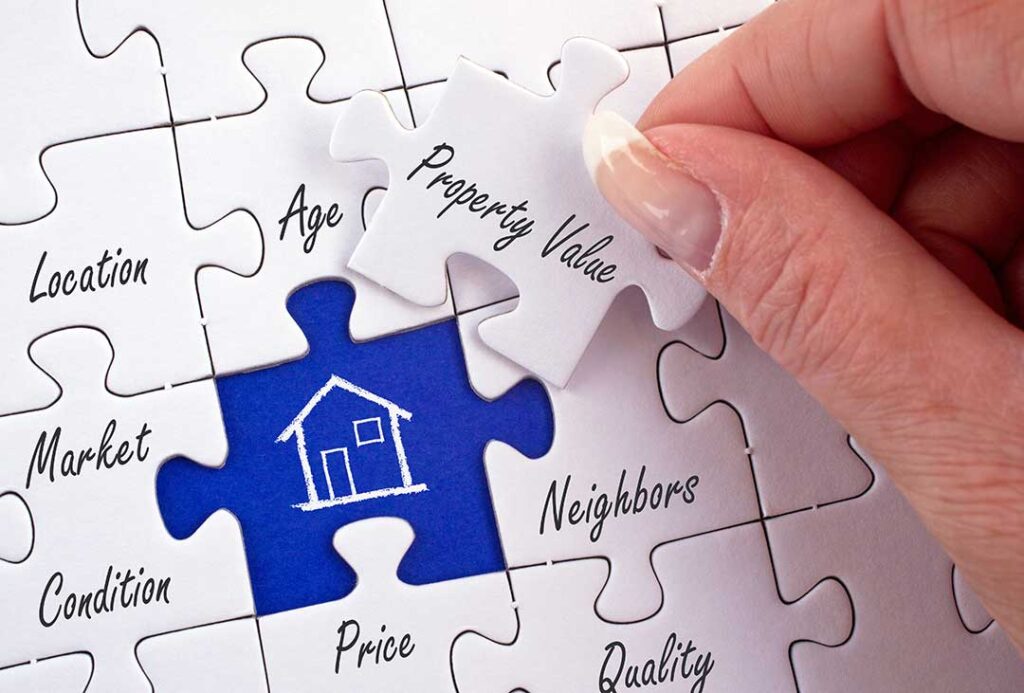
Neighborhood features can influence property value just as much as the condition of an individual house. Buyers often evaluate the surrounding streets, access to everyday needs, maintenance patterns, and long-term livability before deciding what a home is worth.
For residents of Tipp City, OH, the most valuable neighborhood advantages are usually practical rather than flashy. Reliable infrastructure, attractive public spaces, sensible development, and a strong sense of residential stability can support demand over time.
What neighborhood features have the greatest effect on property value?
The features most likely to support property value are those that improve daily convenience, safety, appearance, and long-term confidence in the area. Buyers tend to respond positively to neighborhoods that are comfortable to live in and likely to remain well maintained.
Common value-supporting features include:
- Well-maintained streets and sidewalks
- Safe routes for walking and cycling
- Nearby parks, trails, and open space
- Consistent home maintenance
- Reliable drainage and stormwater management
- Reasonable access to schools, employment areas, and shopping
- Low levels of traffic, noise, and nuisance activity
- Clear land-use patterns and predictable future development
- Attractive trees, landscaping, and public spaces
- Stable occupancy and strong pride of place
No single feature guarantees higher prices. Property value is shaped by the interaction between neighborhood conditions, housing supply, local demand, interest rates, taxes, and the individual property itself.
How do walkability and sidewalks affect a home’s appeal?
Walkable streets can make a neighborhood more convenient and pleasant, especially for households with children, older residents, or people who want alternatives to driving short distances. Sidewalks that connect homes with parks, schools, community spaces, and nearby services can improve how usable a neighborhood feels.
Walkability does not require a dense urban layout. In a smaller community, it may simply mean that residents can safely walk around the block, reach a public space, or connect with nearby neighborhoods without crossing poorly designed roads.
Useful features include:
- Continuous sidewalks rather than disconnected segments
- Clearly marked crossings
- Adequate street lighting
- Traffic speeds suited to residential areas
- Safe routes to parks and community facilities
- Sidewalks that remain usable during rain, snow, and freezing conditions
A sidewalk by itself may not add substantial value if it is cracked, obstructed, or disconnected. Maintenance and connectivity matter more than appearance alone.
Do parks, trails, and open space increase property value?
Access to parks and open space can support property value by giving residents places to exercise, gather, relax, and enjoy seasonal changes. Green areas can also help break up dense development and provide visual relief from roads and parking areas.
The effect depends on the quality and location of the space. A clean, accessible park within a reasonable walking distance is generally more useful than an attractive but difficult-to-reach area. Trails are especially valuable when they connect to other public spaces instead of ending abruptly.
Open space can also influence stormwater conditions. Vegetated areas, mature trees, and properly designed drainage features may reduce runoff and help protect nearby homes from standing water. However, homes immediately next to poorly maintained drainage areas may experience concerns involving mosquitoes, erosion, or flooding.
Why do street maintenance and drainage matter?
Road conditions and drainage are easy to overlook until they create daily problems. Potholes, standing water, damaged curbs, blocked drainage structures, and frequent ice buildup can affect convenience, safety, and buyer confidence.
Tipp City experiences seasonal weather that can include heavy rain, freezing temperatures, snow, and repeated freeze-thaw cycles. These conditions place stress on pavement, sidewalks, driveways, and drainage systems. Neighborhoods that manage water effectively and maintain public infrastructure tend to feel more dependable.
Buyers may pay attention to signs such as:
- Water collecting near intersections or driveways
- Erosion along yards or drainage paths
- Basement moisture patterns
- Uneven sidewalks caused by tree roots or frost movement
- Streets that deteriorate faster than surrounding areas
- Poorly directed downspouts or runoff from neighboring lots
Infrastructure problems do not always reduce value immediately, but persistent or unresolved issues can narrow the pool of interested buyers.
Can neighborhood appearance influence property prices?
A well-maintained neighborhood can create a stronger first impression and signal that residents care about the area. Appearance includes more than landscaping. It also involves consistent upkeep of fences, yards, roofs, driveways, mailboxes, street trees, and public spaces.
Uniformity is not necessary. A neighborhood can have different architectural styles and landscaping preferences while still looking cared for. The most influential factor is often the absence of visible neglect across multiple properties.
Mature trees can add shade, character, and seasonal appeal, but they also require responsible maintenance. Overgrown vegetation, dead branches, invasive plants, or trees that interfere with sidewalks and utility lines may create safety and maintenance concerns.
The strongest visual advantages are usually:
- Healthy street trees
- Clean and usable sidewalks
- Neat but not excessive landscaping
- Well-kept yards and shared spaces
- Consistent exterior maintenance
- Limited litter, abandoned items, and visible deterioration

How do nearby schools and community facilities affect value?
Nearby schools and community facilities can influence demand by making daily routines easier for households. The effect is not based only on distance. Buyers may also consider traffic patterns, walking safety, school boundaries, facility conditions, and whether nearby uses fit the character of the neighborhood.
Libraries, parks, public gathering areas, and recreational facilities can add value by supporting social connection and everyday activity. These benefits are strongest when facilities are accessible without creating excessive congestion, noise, or parking pressure on residential streets.
A common misconception is that any nearby public facility automatically raises values. A well-maintained, compatible facility may help, while a poorly planned use with heavy traffic or late-night noise could have the opposite effect.
Does neighborhood safety affect property value?
Perceived and actual safety are both significant factors in housing decisions. Residents often notice lighting, traffic speeds, visibility, sidewalk conditions, vacant properties, and how comfortably people use outdoor spaces.
Safety is not limited to crime statistics. It also includes:
- Safe intersections and crossings
- Adequate lighting
- Clear sightlines near sidewalks and driveways
- Reasonable vehicle speeds
- Functional street signs
- Properly maintained paths and public areas
- Reduced risk from flooding, fallen trees, or damaged infrastructure
Neighborhood design can encourage residents to be present outdoors, which may improve visibility and community awareness. Still, safety concerns should be evaluated carefully rather than judged from appearance alone.
Can future development help or hurt property value?
Predictability often matters as much as growth. New housing, improved public spaces, or added services may support values when development is well planned and infrastructure keeps pace.
On the other hand, unexpected changes can create uncertainty. Buyers may be concerned about major traffic increases, loss of open space, drainage problems, incompatible land uses, or construction that continues for years without clear benefits.
Residents evaluating a neighborhood should look beyond current appearance and consider:
- Proposed changes in land use
- Road and intersection improvements
- Stormwater capacity
- New housing density
- Preservation of open space
- Potential noise and traffic effects
- Whether public services can support additional development
A neighborhood with a clear, stable pattern of growth may be more appealing than one facing uncertain changes.
Which neighborhood improvements are most likely to hold their value?
Features that serve many households and require manageable upkeep generally provide the most lasting benefit. Basic infrastructure, safe connections, attractive public spaces, and reliable drainage tend to remain useful across changing design preferences.
Private upgrades can improve one property, but neighborhood-wide features often have a broader effect because they influence the experience of every resident and visitor. Even modest improvements—such as repaired sidewalks, better lighting, preserved trees, or improved drainage—can contribute to a stronger sense of stability when they are maintained consistently.
Property value is ultimately influenced by both the home and its surroundings. A clean, functional, connected, and predictable neighborhood can help a property remain attractive to buyers through changing market conditions.